

Last Updated on: 01-10-2026
LinkedIn has evolved from a digital resume repository into a primary vetting ground for B2B buyers. When a prospective client hears about your business, the first thing they often do is check your LinkedIn presence.
However, maintaining a stagnant Company Page or posting sporadic updates no longer moves works. A modern LinkedIn strategy requires an integrated approach: treating your Company Page as the corporate storefront and your people as the core distribution network.
What Changed on LinkedIn in 2026
LinkedIn’s digital environment shifted significantly following the March 2026 updates to its Engineering Blog, which detailed a transition toward an advanced LLM-powered ranking system. This system focuses heavily on deep semantic understanding, matching content contextually with each member’s evolving professional interests rather than relying on vanity metrics or superficial algorithms.
While third-party blogs frequently panic over unverified “reach penalties” or promote complex jargon like “360Brew” and “Depth Score,” the reality is much simpler: specific, high-intent, niche expertise. Shallow posting volume is out; substantive, topic-focused value is in.
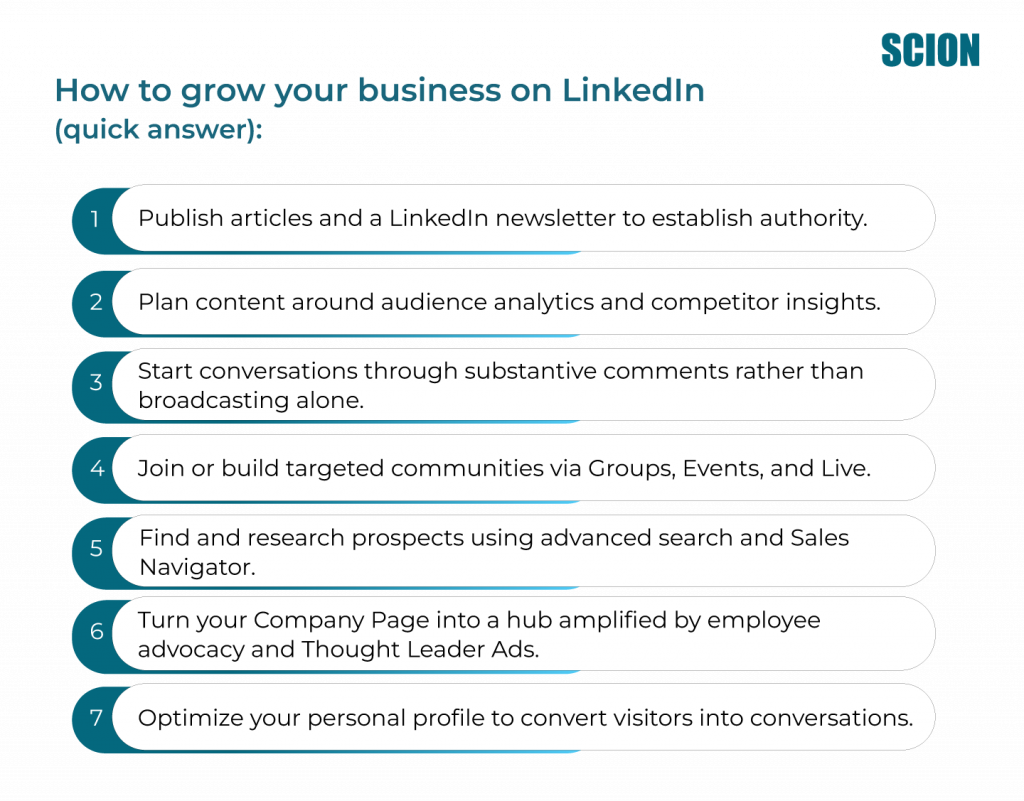
1. Publish Articles and a LinkedIn Newsletter
Long-form publishing remains a powerful differentiator, but the tools have matured. Creator Mode was retired as a standalone toggle by LinkedIn in 2024, opening newsletter and subscriber tools more broadly to eligible members.
- Newsletters:
Ideal for building a recurring audience. When you publish a newsletter, LinkedIn automatically notifies your subscribers via push and email notifications.
- Articles & Short Posts:
Use native articles for deep-dive frameworks or case studies, and short text-plus-document posts for quick visibility.
- The Golden Rule:
Never “link-dump” external blog posts expecting organic reach. Repurpose your core insights into native LinkedIn formats.
Example: A monthly founder newsletter analyzing operational trends observed in client work.
2. Plan Content Around What Your Buyers Actually Engage With
The old-school trending content tools of the past decade are gone. Modern content planning relies on hard data pulled directly from your dashboard.
- Page & Competitor Analytics:
Use native analytics to evaluate which themes attract decision-makers. Competitor analytics tools allow you to track top-performing original posts from benchmarked pages over a rolling 30-day window.
- Audience Demographics:
Regularly check who is following your page to ensure you are capturing your target buyer personas rather than industry peers.
- Content Pillars:
Establish 3 to 4 distinct content pillars that address your audience’s primary pain points.
3. Start Conversations, Don’t Just Post
LinkedIn is a social network, not an automated broadcast channel. Relying exclusively on scheduling tools without engaging in active dialogue limits organic traction.
- The 15-Minute Daily Routine:
Dedicate time each day to leave thoughtful, substantive comments on posts published by key prospects, strategic partners, and industry leaders.
- Comment Engagement:
Reply early and thoughtfully to comments left on your own posts to signal active community management to the algorithm.
- What to Avoid:
Never use automated engagement pods or generic AI-generated comments (“Great post!”). Authentic insights are instantly recognizable and heavily favored under topic-based ranking.
4. Join (or Build) the Right Communities
LinkedIn Groups can be a mixed bag, but when chosen carefully, they offer direct access to niche buyer circles.
- Focused Participation:
Participate actively in one or two highly relevant groups rather than spamming dozens. Note that LinkedIn automatically flags identical posts dropped across multiple groups as spam.
- Events and Live:
Utilize LinkedIn Events and LinkedIn Live to build centralized communities around pressing industry topics.
Note: Mass group messaging tactics from past years are obsolete; direct messaging restrictions within groups protect member experience.
5. Find and Research Prospects with Search and Sales Navigator
Cold outreach has changed. Modern prospecting requires a blend of free search filters and commercial intent data.
- Advanced Search:
Use Boolean operators and free filters to map out target accounts by geography, industry, and seniority.
- Sales Navigator:
For serious pipeline generation, Sales Navigator provides saved searches, real-time lead alerts, custom lead lists, and InMail capabilities.
- Research-First Approach:
Always review a prospect’s recent activity and shared connections before initiating contact, staying strictly within LinkedIn’s User Agreement boundaries regarding automation limits.
6. Turn Your Company Page into a Growth Hub
Your Company Page functions as your brand’s official headquarters on the platform.
- Complete Optimization:
Ensure your tagline, About section, industry tags, location, and custom action buttons are fully configured with relevant keywords.
- Employee Amplification:
A corporate page alone struggles to generate mass organic reach. Combine your page posts with organic employee advocacy.
- Thought Leader Ads:
Leverage this optional paid layer to sponsor high-performing organic posts directly from employee or stakeholder personal profiles, amplifying reach with author permission.
How to Increase Your LinkedIn Company Page Followers
The simplest way to go about it is to invite targeted 1st-degree connections systematically, maintain a consistent publishing schedule across your content pillars, and link your company page in corporate emails and newsletters.
7. Optimize Your Profile to Convert Visits into Conversations
Whether you are a founder, executive, or sales leader, your personal profile is a landing page.
- Your Headline:
Combine your core value proposition with searchable terms your buyers use every day.
- Your ‘About’ Section:
Tsection sits high up on the profile and should tell a compelling story about who you help and how.
- Your Featured Section:
Pin your best case study, lead magnet, or newsletter subscription link to instantly capture visitor intent.
- Follow vs. Connect:
Configure your primary button depending on whether your goal is massive subscriber growth or direct relationship building.
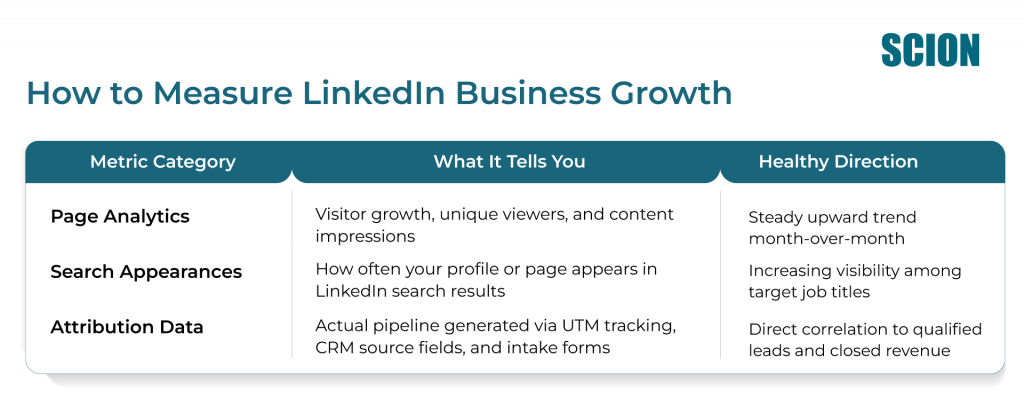
How to Measure LinkedIn Business Growth
To prove ROI, move beyond basic vanity metrics. Track performance across three main pillars:
Common LinkedIn Marketing Mistakes
- The Company-Page-Only Trap: Expecting a corporate logo to drive viral engagement without personal profiles backing it up.
- Broad, Generic Messaging: Speaking to “everyone” and ending up speaking to no one.
- Link-Dumping: Dropping raw outbound links without providing native context or summaries.
- Immediate Pitching: Sending aggressive sales pitches in the very first direct message.
- Chasing Vanity Metrics: Focusing entirely on follower counts rather than pipeline quality.
For BNI Directors: Putting the 7 Ways to Work Across Your Region
Your Chapters already generate powerful word-of-mouth referrals inside the room. LinkedIn is where local visitors, prospective members, and future Launch Directors check out your region before they ever walk into a meeting.
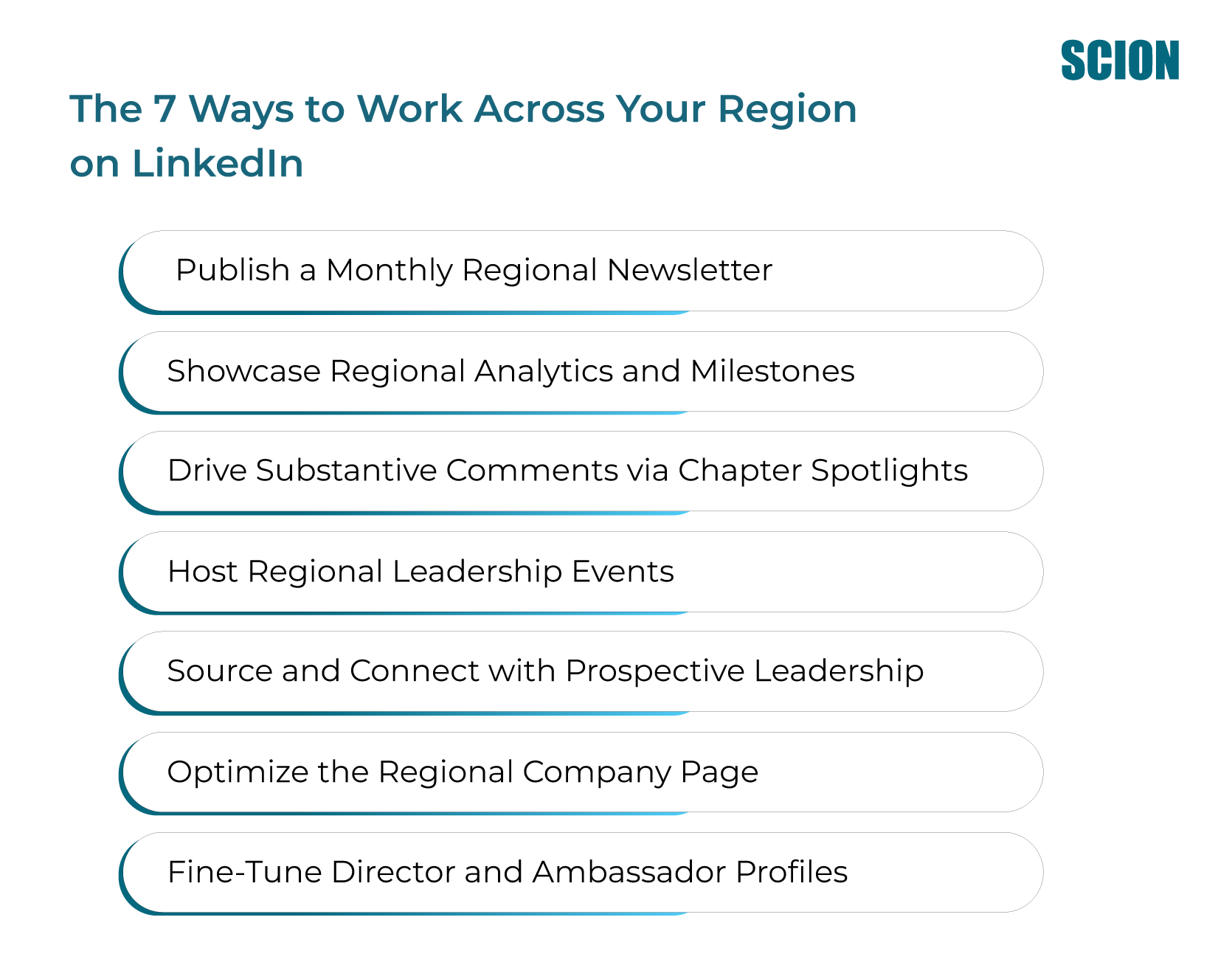
Step 1 – Publish a Monthly Regional Newsletter
Highlight a standout chapter success story, a regional visitor record, or an educational spotlight from a core member once a month to keep your stakeholder network engaged.
Step 2 – Showcase Regional Analytics and Milestones
Share data points on closed referral value or visitor growth across chapters to demonstrate the tangible economic impact of your BNI region.
Step 3 – Drive Substantive Comments via Chapter Spotlights
Feature member success milestones and tag local leadership teams to spark active community conversation rather than one-way announcements.
Step 4 – Host Regional Leadership Events
Use LinkedIn Events to host virtual visitor days, open networking sessions, or director training webinars.
Step 5 – Source and Connect with Prospective Leadership
Use advanced search criteria to identify local business leaders, independent professionals, and potential chapter directors who fit your regional expansion goals.
Step 6 – Optimize the Regional Company Page
Ensure your BNI Regional Page acts as a professional hub complete with clear calls-to-action for visitors wanting to find a local chapter.
Step 7 – Fine-Tune Director and Ambassador Profiles
Ensure every Assistant Director and Ambassador has an optimized profile that highlights how they help local business owners scale through structured word-of-mouth marketing.
Frequently Asked Questions
Consistency matters more than frequency. Aim for 2 to 4 high-value, substantive posts per week rather than daily low-effort updates.
Rarely. Company pages have lower organic reach compared to personal profiles. Growth requires a hybrid approach where leadership and employee profiles amplify company content.
While you can generate leads using free search and organic networking, Sales Navigator dramatically accelerates prospecting speed, filtering precision, and lead management.
LinkedIn retired Creator Mode as a profile toggle, integrating its primary features—such as newsletter tools and follower configurations—directly into standard user accounts.
Use custom UTM tracking parameters on links, incorporate lead-source fields in your CRM, and monitor inbound conversions directly tied to your content and profile assets.